


EMI Shielding Products
- Custom Gasket Fabrication
- Connector Gaskets
- Bonded O Ring
- Custom Gaskets
- Conduct-O-Knit Knitted Wire Mesh
- Conduct-O-Seal Combo Gasket
- Conduct-O-Elastomer
- Conduct-O-Seal Oriented Wire in Silicone Gasket Material
- Conduct-O-Mesh Tape
- Conduct-O-Foam
- Conduct-O-Bond
- Optical Filters For Electronic Displays
- Shielded Vent Panels
- 300 Series
Choosing the Right EMI Shielding Gasket: Types and Applications for Optimal Performance
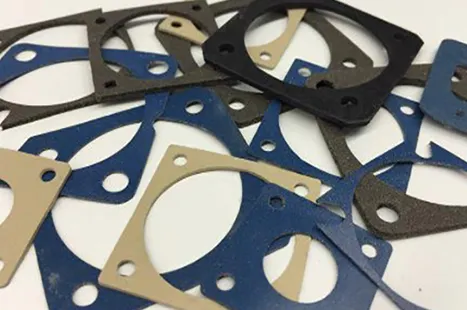
Electromagnetic interference doesn't vanish just because you enclose your circuit. Invisible signals seek out the smallest gaps and seams. The right EMI gasket can transform those vulnerabilities into a robust barrier, but selecting the best option requires more than a quick catalog browse. Knowing the most common EMI gasket types helps you match them to your application's unique demands.
Why Gasket Selection Matters
Every circuit design is only as strong as its weakest seam. EMI gaskets serve as precision-engineered links that ensure electrical continuity, environmental sealing, and compliance with industry standards. When the wrong gasket is chosen, the result can be premature failure, gaps in shielding, or assembly challenges that ripple through the entire production process. Careful selection ensures that shielding does its job without introducing new problems.
Five Common EMI Gasket Types
Not all EMI gaskets are created equal. Each type has unique strengths, making it better suited for specific industries and environments. Understanding their differences helps you identify the right fit for your project rather than relying on guesswork.
- Fingerstock gaskets – Thin, spring-like strips made from beryllium copper or similar metals. They excel in high-frequency enclosures where repeated compression is expected, such as connectors or cabinet access points.
- Metalized fabric over foam – Lightweight and flexible, these gaskets balance cost and performance. They adapt well to irregular surfaces and are common in laptops, consumer devices, and automotive infotainment systems.
- Mesh gaskets – Woven from stainless steel, Monel, or aluminum, mesh gaskets provide durability and high shielding effectiveness. They are often chosen for control cabinets and mission-critical systems, where weight reduction is also a priority.
- Conductive foam gaskets – Compressible and lightweight, these gaskets are ideal for delicate electronics like circuit boards or wearable devices. Their ability to also help dissipate heat makes them a dual-purpose solution.
- Conductive elastomer gaskets – Combining silicone with conductive fillers, elastomer gaskets withstand harsh environments while preventing ingress of dust, water, and gases. They are widely used in defense, medical, and automotive devices where reliability is non-negotiable.
How to Choose the Best Gasket for Your Design
Selecting the right gasket means looking beyond the catalog and focusing on how your device will be used. Environmental conditions, operating frequency, assembly process, and budget all play a role in determining performance. For instance, silicone-based elastomers are well-suited for handling extreme weather conditions, while fabric-over-foam is more suitable for lower-pressure consumer products. Engineers should also weigh manufacturability, such as adhesive backings or compression-fit options, against long-term performance expectations.
Why Settle for Standard When You Can Customize?
Every project has unique constraints, and off-the-shelf gaskets rarely meet all of them. East Coast Shielding works with engineers to balance frequency requirements, mechanical design, and environmental demands. From silicone gaskets that resist temperatures up to 200°C to rapid prototyping that accelerates development, our expertise ensures designs pass compliance testing and perform reliably over time.
Is Your Project Ready for the Right Shielding Partner?
Choosing an EMI gasket isn't just about plugging a gap; it's about safeguarding your design's performance, compliance, and longevity. By aligning gasket type with the application and partnering with specialists who understand the details, you can transform EMI vulnerabilities into engineered strengths.