


EMI Shielding Products
- Custom Gasket Fabrication
- Connector Gaskets
- Bonded O Ring
- Custom Gaskets
- Conduct-O-Knit Knitted Wire Mesh
- Conduct-O-Seal Combo Gasket
- Conduct-O-Elastomer
- Conduct-O-Seal Oriented Wire in Silicone Gasket Material
- Conduct-O-Mesh Tape
- Conduct-O-Foam
- Conduct-O-Bond
- Optical Filters For Electronic Displays
- Shielded Vent Panels
- 300 Series
Avoiding Excessive Gasket Compression in EMI Shielding Applications
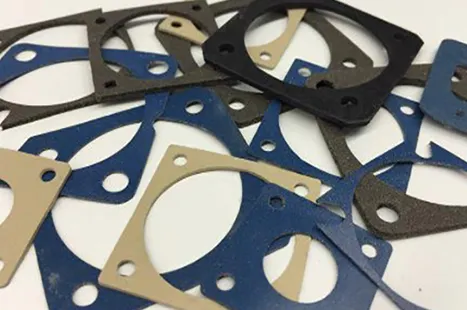
Proper gasket compression is a critical factor influencing conductive EMI gasket performance. Excessive compression rapidly escalates mechanical stress, undermines shielding effectiveness, and reduces overall system reliability. Engineers experienced in EMI gasket design recognize that careful control over gasket compression is crucial to achieving long-term, stable electrical continuity and optimal shielding performance.
In-depth studies highlight the fact that exceeding recommended gasket compression levels can quickly compromise the gasket's functionality. The consequences include increased electrical resistance, accelerated material degradation, and severe reliability issues over repeated cycles.
Fundamental Compression Parameters for Conductive Gaskets
In the design phase, gasket compression must be carefully defined and maintained. Typical gasket materials require compression percentages between 10% and 50%, depending on their specific composition and application.
Conductive silicone gaskets typically function optimally at a compression level of around 20 percent. Over-compression significantly increases mechanical stress within the gasket material, leading to internal structural damage and ultimately compromising shielding effectiveness. Compression-related damage quickly raises contact resistance, drastically reducing EMI performance and potentially causing non-compliance during EMC testing.
- Typical recommended compression range: 10%–50%
- Ideal compression for conductive silicone: approximately 20%
- Excessive compression effects:
- Structural degradation
- Increased internal shear stress
- Increased electrical resistance
- Reduced EMI shielding effectiveness
Risks Associated with Excessive Compression
Over-compression presents severe risks. Detailed research clearly indicates that gasket compression beyond recommended values introduces detrimental mechanical forces within the elastomeric structure. Such stresses result in internal tearing, micro-cracks, and significant damage to conductive filler particles.
Excessively compressed elastomers undergo shear forces that fracture the embedded conductive particles, substantially increasing contact resistance. Higher resistance directly diminishes EMI shielding performance, potentially causing compliance failures.
Common risks of gasket over-compression include:
- Rapid mechanical degradation due to excessive internal stress
- Micro-cracks and filler particle displacement compromising conductivity
- Significantly increased contact resistance (over 200 mΩ·cm²)
- Reduction of shielding effectiveness by as much as 25–30 dB at 1 GHz
- Reduced gasket life expectancy and increased maintenance requirements
Groove Design Implications on Compression
Groove dimensions play a pivotal role in gasket compression performance. Conductive elastomer gaskets depend on properly sized grooves to manage compression accurately. A groove designed incorrectly, either too shallow or too narrow, inevitably causes stress and deformation in the gasket material, resulting in compromised functionality.
Effective groove design targets a gasket fill volume typically between 85% and 92% of the total groove volume under nominal gasket compression (usually around 18-20%). Research indicates that groove fill levels exceeding 95 percent generate substantial shear stresses, which can negatively impact gasket reliability. Conversely, groove fills below 80 percent typically produce insufficient compression, resulting in poor sealing and shielding effectiveness.
When designing grooves, it is essential to accurately calculate and verify dimensions:
- Recommended groove fill percentage: 85–92%
- Problematic fill percentages: above 95% or below 80%
- Parameters to confirm for accurate design:
- Gasket cross-sectional area
- Groove depth and width
- Material properties and tolerances
Compression and Temperature Cycling Impacts
Temperature cycling has a significant impact on gasket compression reliability. Conductive elastomers regularly subjected to thermal fluctuations expand and contract, repeatedly testing gasket resilience and stability. Excessively compressed gaskets struggle to accommodate these cycles, experiencing accelerated damage and performance loss.
Studies confirm that gasket compression exceeding manufacturer recommendations substantially reduces gasket durability under thermal cycling conditions. Conductive silicone gaskets initially compressed at 95 percent fill showed severe performance degradation after approximately 200 thermal cycles (from –55°C to +125°C). Conversely, gaskets with optimized compression (around 88 percent fill) maintained stable shielding effectiveness through thousands of cycles.
- Impact of excessive compression under thermal cycling:
- Accelerated gasket material fatigue
- Rapid increase in electrical resistance
- Sharp reduction in gasket service life
- Optimized gasket compression improves thermal cycling performance:
- Stable shielding effectiveness over extended cycles
- Reduced risk of performance degradation or EMI compliance failures
Practical Compression Checks in Production
In production environments, verifying gasket compression can be a straightforward and efficient process. Implementing quick checks ensures compression integrity and stable EMI shielding.
- Feeler Gauge Check:
- Insert a thin feeler gauge (approximately 0.05 mm) alongside the compressed gasket.
- Gauge insertion with moderate effort indicates appropriate compression (85–92% fill).
- Difficulty inserting the gauge suggests excessive compression levels.
- Low-Force Resistance Check:
- Measure resistance at 50% of specified torque and again at full torque.
- A significant increase in resistance at full torque signals excessive gasket compression, indicating possible internal damage.
- Visual Inspection Check:
- Examine gasket edges closely for signs of extrusion or deformation.
- Look for any gasket material extending beyond the groove edges, which indicates over-compression or improper design.
Regular use of these practical checks significantly enhances gasket reliability, ensuring EMI compliance and reducing unnecessary maintenance or repair downtime.
Collaborating Across Engineering Teams to Ensure Proper Compression
Effective gasket compression depends heavily on cross-functional collaboration among mechanical engineers, EMC specialists, and quality assurance teams. Proper communication ensures gasket compression specifications are clearly understood and consistently maintained.
Key practices to promote cross-functional alignment include:
- Specify compression and groove volume requirements directly in engineering drawings.
- Example: "Conductive gasket compression at 18% nominal; gasket to occupy 88 ± 3% groove volume."
- Implement mandatory cross-departmental design reviews involving representatives from mechanical, EMC, and supply chain departments to verify gasket specifications.
- Ensure quality control and incoming inspection procedures explicitly verify compliance with gasket compression specifications.
When clear communication, rigorous specification adherence, and regular quality validation become standard practices, gasket compression compliance significantly improves, resulting in a dramatic reduction of warranty returns and field failures.
Achieving Reliable Gasket Compression and Optimal EMI Shielding Performance
Managing gasket compression correctly is critical to ensuring effective EMI shielding and maintaining reliable gasket performance over an extended operational lifetime. Excessive gasket compression causes significant mechanical degradation, increased electrical resistance, and compromised EMI effectiveness, potentially resulting in compliance issues, increased maintenance costs, and premature gasket failure.
By carefully following recommended compression guidelines, accurately designing groove dimensions, accounting for the impacts of temperature cycling, performing regular practical checks, and fostering robust cross-departmental collaboration, engineers can ensure their EMI gaskets deliver consistent and reliable performance. With proper compression management, conductive gaskets provide robust shielding, minimal maintenance, and long-term reliability.
East Coast Shielding stands ready to help you achieve these objectives. Our engineering expertise ensures your conductive gasket applications meet precise compression requirements, ensuring optimum EMI shielding performance, long-term reliability, and comprehensive compliance.